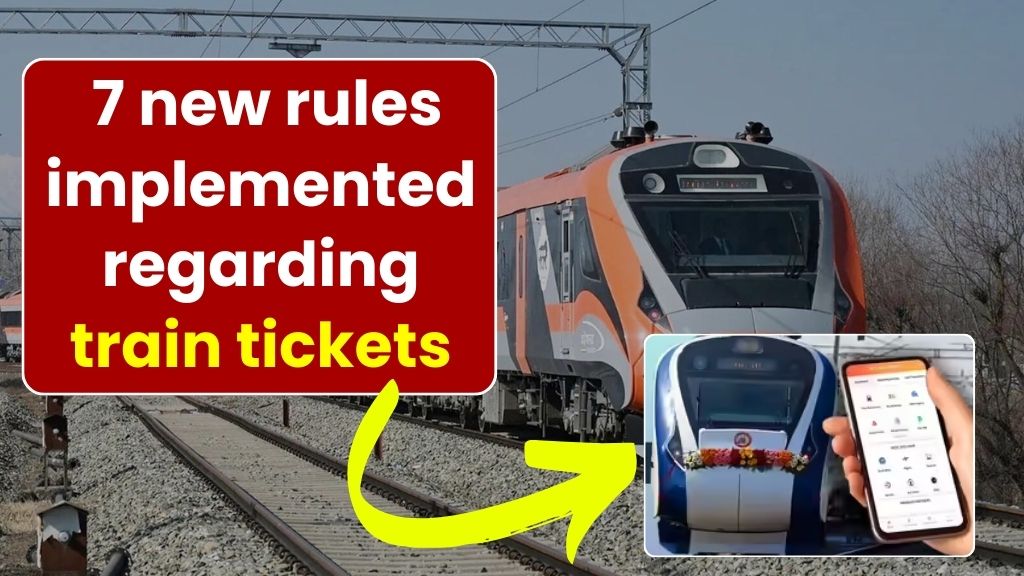
train tickets – Indian Railways, one of the largest railway networks in the world, has recently introduced a series of sweeping changes to its ticket booking system. These reforms have been designed to address long-standing problems such as black marketing, fraudulent reservations, and mass cancellations that were hurting genuine travellers. The new rules signal a fresh chapter in the way millions of passengers plan, book, and experience train journeys across the country. Understanding these changes thoroughly is essential for every traveller who relies on India’s lifeline rail network.
Why Did Indian Railways Feel the Need to Change?
For years, the existing ticketing system had been exploited in ways that left ordinary passengers frustrated and helpless. Touts and agents would book large numbers of tickets months in advance, only to resell them at inflated prices closer to the travel date. Genuine travellers, especially those from smaller towns and rural areas, would find confirmed tickets unavailable and would end up either travelling in discomfort or abandoning their plans altogether.
Data collected by the railway ministry painted a troubling picture — nearly 21 percent of all booked tickets were being cancelled, and around 5 percent of ticket holders never showed up for their journey at all. This meant that a significant portion of seat capacity was being wasted on paper bookings with no real intent to travel. The new reforms have been introduced specifically to address these inefficiencies and ensure that train seats go to the people who genuinely need them.

The 60-Day Advance Booking Rule — A Major Shift
The most talked-about change is the reduction of the Advance Reservation Period from 120 days to just 60 days, effective from November 1, 2024. Earlier, passengers could book their tickets as far as four months ahead of their journey date. While this seemed convenient on the surface, it actually created more problems than it solved, as it gave ample time and opportunity for misuse.
Now, with a 60-day window, only those who have genuine and confirmed travel plans are likely to book tickets in advance. This shorter window is expected to drastically reduce speculative bookings and bring down cancellation rates significantly. Railway authorities believe that when people book closer to their travel date, the demand data becomes far more accurate, which helps in better management of seats, coaches, and resources across routes.
Tatkal Ticket Booking Gets Stricter with Aadhaar Verification
One of the most significant additions to the new rule framework is the mandatory Aadhaar card verification for Tatkal ticket bookings, which has been in effect since July 2025. Under this rule, a passenger cannot book a Tatkal ticket without completing OTP-based verification linked to their Aadhaar-registered mobile number. This step has been taken to eliminate the use of fake identities, automated bots, and unauthorised agents who previously dominated Tatkal booking queues.

In addition to Aadhaar verification, the railway authorities have also introduced a 30-minute exclusion period for authorised agents at the start of Tatkal booking sessions. During this initial half-hour window, only regular passengers can access and book Tatkal tickets. This change ensures a level playing field, where the common traveller gets a fair chance to secure a confirmed ticket before agents enter the queue.
Waiting List Passengers Face Tougher Restrictions
Another critical reform targets the long-standing problem of waiting list passengers travelling in reserved coaches without valid confirmation. Under the new guidelines, any passenger holding a waitlisted ticket is strictly prohibited from occupying a seat or berth in Sleeper or Air-Conditioned coaches. The Train Ticket Examiner (TTE) now has clear authority to deboard such passengers at the next station and impose a financial penalty on them.
This rule change is a massive relief for confirmed ticket holders who previously had to deal with overcrowded reserved compartments filled with passengers who had no confirmed booking. By enforcing this rule strictly, Indian Railways aims to restore order, comfort, and discipline inside reserved coaches. Travellers with confirmed tickets can now look forward to a noticeably less chaotic and more comfortable journey experience.

Earlier Preparation of Reservation Charts
To further improve the travel experience, Indian Railways is also working on a plan to prepare reservation charts approximately eight hours before a train’s scheduled departure. Previously, charts were prepared much closer to departure time, leaving passengers anxious and uncertain about their seat status right until the last moment. An earlier chart preparation gives passengers adequate time to make alternative arrangements if their ticket has not been confirmed.
This change is especially helpful for those travelling long distances or catching connecting trains, where last-minute uncertainty can cause serious disruption to travel plans. Knowing their booking status well ahead of time allows passengers to either board the train with confidence or seek other transport options without unnecessary panic.
Minor Fare Hike but Promises of Better Services
Along with the structural changes in the booking system, Indian Railways has also introduced a modest fare increase on certain long-distance routes. The hike amounts to just one to two paise per kilometre, which translates to a negligible increase for most passengers. The railway ministry has assured travellers that the additional revenue generated will be directed towards improving cleanliness, onboard facilities, station infrastructure, and overall service quality.

While any fare increase tends to draw public criticism, the railways have emphasised that this marginal adjustment is necessary to sustain and improve the quality of services that millions of passengers depend on daily. The authorities have committed to using this revenue responsibly and transparently, with the focus firmly on enhancing the passenger experience.
Special Provisions for Senior Citizens and Vulnerable Passengers
Amidst all the changes, Indian Railways has also reinforced its commitment to the welfare of its most vulnerable travellers. Senior citizens, pregnant women, and passengers with physical disabilities will continue to receive priority allocation for lower berths. The rules in this regard have been tightened further to ensure that these passengers do not face any inconvenience during their journey.
This passenger-centric approach shows that while the railways are getting stricter about misuse and discipline, they remain sensitive to the genuine needs of those who require special assistance. The combination of stricter ticketing rules and stronger welfare provisions creates a more balanced and thoughtful railway system overall.

What About Tickets Booked Under the Old Rules?
A common concern among passengers was whether previously booked tickets would remain valid after the new rules came into force. Indian Railways has clarified that any ticket booked before October 31, 2024, under the old 120-day advance booking rule, remains completely valid and need not be cancelled or re-booked. The new 60-day restriction applies only to fresh bookings made on or after November 1, 2024.
Additionally, certain short-distance trains and the foreign tourist quota continue to operate under a different framework, where tickets can still be booked up to 365 days in advance. Passengers are advised to always check the latest guidelines on the official IRCTC website or mobile application before planning their journey to avoid any confusion.
Conclusion — A Smarter, Fairer Railway System
The reforms introduced by Indian Railways represent a genuine and well-thought-out effort to make train travel fairer, more efficient, and more comfortable for every citizen. From clamping down on black market ticket sales to ensuring that genuine passengers get confirmed berths, each change has been made with the traveller’s best interests in mind. These rules may require some adjustment in travel planning habits, but the long-term benefits — less crowding, faster booking clarity, and reduced fraud — make the transition well worth it. Every passenger who travels with honest intent stands to gain from these improvements.