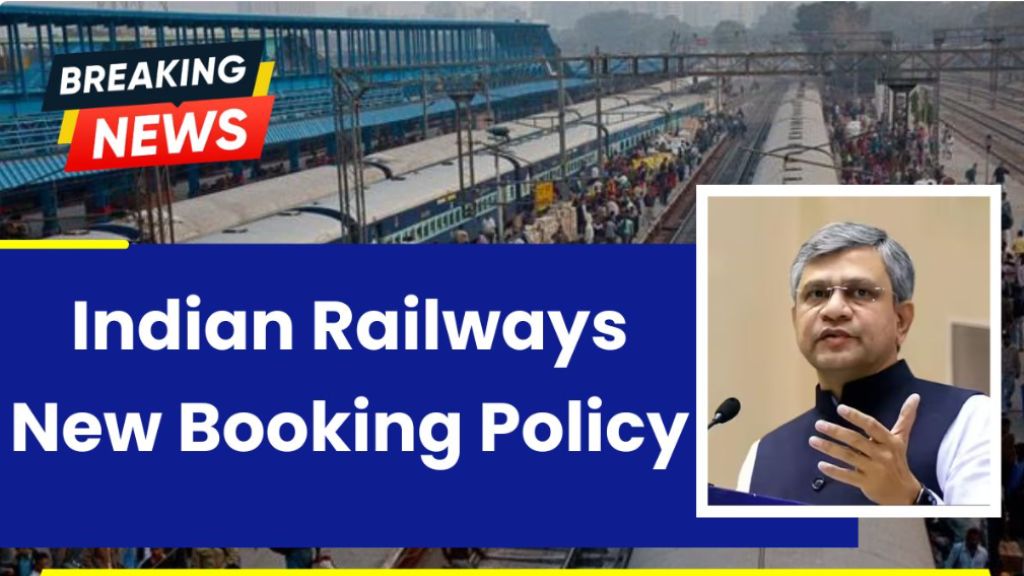
Senior Citizens – Across towns and cities in India, millions of elderly men and women are holding onto one quiet but powerful hope as the Union Budget 2026 approaches. They are waiting to hear that the government will finally restore the train ticket discounts that were taken away from them more than four years ago. For people who depend on rail travel to meet doctors, visit children, or attend religious gatherings, this is not a small wish — it is a genuine need. The cost of living has climbed steadily in recent years, and every rupee saved on travel matters more than ever for those living on fixed incomes.
The December 2025 Fare Hike Added More Pressure
Just when elderly travelers were already struggling without their discounts, Indian Railways announced an increase in train fares toward the end of December 2025. This hike applied to multiple classes of travel, including general coaches, sleeper berths, and even air-conditioned compartments on long-distance mail and express trains. The revision was particularly targeted at journeys crossing the 215-kilometer threshold, which means that even a routine trip to a city hospital or a relative’s home now carries a heavier price tag. For senior citizens operating on tight monthly budgets, this additional financial pressure has made rail travel a genuinely difficult choice.
Why the Fare Increase Was Justified — But Still Painful
Railway authorities explained that the decision to revise fares was driven by practical financial reasons, including higher fuel prices, rising maintenance costs, and the overall increase in operational expenditure. From a pure administrative standpoint, the reasoning is understandable because running thousands of trains across the country every single day requires enormous resources. However, understanding the logic behind a policy does not always ease the burden felt by ordinary passengers. Senior citizens, who rarely travel for pleasure and mostly journey for health-related or family reasons, are among those who have experienced the sharpest impact of this revised pricing structure.

The Concession That Disappeared and Never Came Back
Prior to the COVID-19 pandemic, Indian Railways had a well-established and widely appreciated policy of offering significant fare relief to elderly passengers. Male passengers who had crossed the age of 60 and female passengers aged 58 and above were eligible for substantial discounts on their ticket prices. These reductions were quite meaningful — men could receive up to 40 percent off on the base fare, while women were entitled to as much as 50 percent in savings. When the pandemic struck in 2020 and train operations were severely curtailed, the government suspended these concessions citing financial strain on the railways. What was presented as a temporary measure has now stretched on for several years, leaving the elderly population with a sense of abandonment.
The True Cost of Removing These Benefits
To truly understand why the removal of these concessions has been so damaging, one must look at the actual financial reality of India’s senior citizen population. The majority of elderly individuals in the country survive on monthly pension payments, interest earned from savings accounts or fixed deposits, or financial assistance from their adult children. Meanwhile, hospital visits have become more frequent and expensive, grocery bills have increased, and utility costs have risen as well. When traveling by train adds an unexpectedly large expense to this already stretched budget, many elderly people simply choose not to travel at all. This means missing vital medical appointments, losing precious time with family, or being unable to attend events that give life meaning and joy.
More Than Just a Financial Issue
The significance of train travel for older Indians goes far beyond economics and practicality. For many elderly people, a train journey to a child’s home or to a pilgrimage site represents one of the few remaining ways they stay emotionally connected to the world around them. Social interaction, family bonding, and a sense of independence are deeply tied to the ability to move freely and affordably. When high ticket costs force senior citizens to stay home more often, the effect on their mental and emotional health can be quite serious. Feelings of loneliness, dependency, and isolation can increase significantly when the freedom to travel is restricted by financial barriers.

What Budget 2026 Could Change
The Union Budget scheduled for February 1, 2026, has generated renewed optimism among elderly citizens and the organizations that advocate for their welfare. Numerous senior citizen groups have formally requested the government to at least partially restore the concessions that were once available. Even bringing back a 50 percent discount for economically weaker elderly passengers could make a substantial difference in their quality of life. Such a step would also demonstrate that the government acknowledges and appreciates the decades of work and contribution that older citizens have invested in building the nation.
Finding a Balanced Solution
Thoughtful observers have suggested that there are practical ways to restore concessions without placing an unbearable load on railway finances. One approach would be to offer reduced fares only on non-air-conditioned travel classes, which are already the most affordable options. Another possibility involves capping the number of discounted tickets an individual can purchase each year, ensuring that the benefit reaches those who genuinely need it rather than being broadly misused. Technology could also play a useful role — with digital ticketing platforms and identity verification systems now widely available, linking concessions to income levels or financial need becomes an entirely achievable goal.
A Question of Dignity and Respect
At its core, the debate about senior citizen train concessions is really about how a society chooses to treat its older members. These are individuals who spent the most productive decades of their lives contributing to the economy, raising families, and building communities. In their retirement years, when physical mobility may already be limited and financial resources are constrained, affordable transportation becomes a matter of dignity and independence. A government policy that makes travel accessible to this group sends a powerful message about its values and priorities.

The Wait Continues
As of now, no formal declaration has been made by the government regarding the reinstatement of elderly passenger discounts on Indian Railways. The topic remains active in public conversations, and senior citizens across the country are watching the upcoming budget with considerable attention and hope. A positive announcement would not only reduce the financial stress on millions of elderly households but would also be remembered as a meaningful gesture of care and recognition. Until an official update arrives, India’s senior citizens continue their patient wait for a policy change that would make their train journeys — and their lives — a little more comfortable and affordable.