Senior Citizen Railway – In a significant and long-awaited move, Indian Railways has decided to restore fare concessions for senior citizens, a benefit that had been suspended during the COVID-19 pandemic in 2020. The revival of this facility in 2026 marks a major relief for millions of elderly passengers across the country. The decision reflects a renewed commitment to social welfare and aims to make travel more affordable and comfortable for older citizens who depend heavily on rail transport.
The railway network is often described as the lifeline of India, connecting cities, towns, and villages across vast distances. For senior citizens, trains remain one of the most economical and convenient modes of travel. The reintroduction of concessions is expected to ease financial burdens and encourage more frequent travel for medical visits, family gatherings, religious trips, and leisure journeys.
A Crucial Decision After the Pandemic
During the COVID-19 crisis, Indian Railways faced unprecedented challenges. Passenger traffic declined sharply, and strict social-distancing measures forced the temporary suspension of many concessions and services. At that time, the priority was to ensure safety, maintain operations, and manage financial losses. As a result, the senior citizen concession, which had been a long-standing benefit, was put on hold.

With the gradual recovery of the economy and normalization of travel, railway authorities have reassessed the situation. The restoration of the concession signals that the railways are now in a better position to reinstate social support schemes. This decision has been widely welcomed, especially by senior citizens and advocacy groups who had been requesting its return for several years.
The move is not only a financial measure but also a symbolic gesture of respect toward the elderly population. By reintroducing the benefit, the railways acknowledge the importance of supporting senior citizens who have contributed significantly to society throughout their lives.
Eligibility Criteria and Discount Structure
Under the revised system, men aged 60 years and above are eligible for the concession. Women and transgender passengers can avail of the benefit from the age of 58 years. This inclusive approach ensures that the scheme covers a wide range of senior travelers.

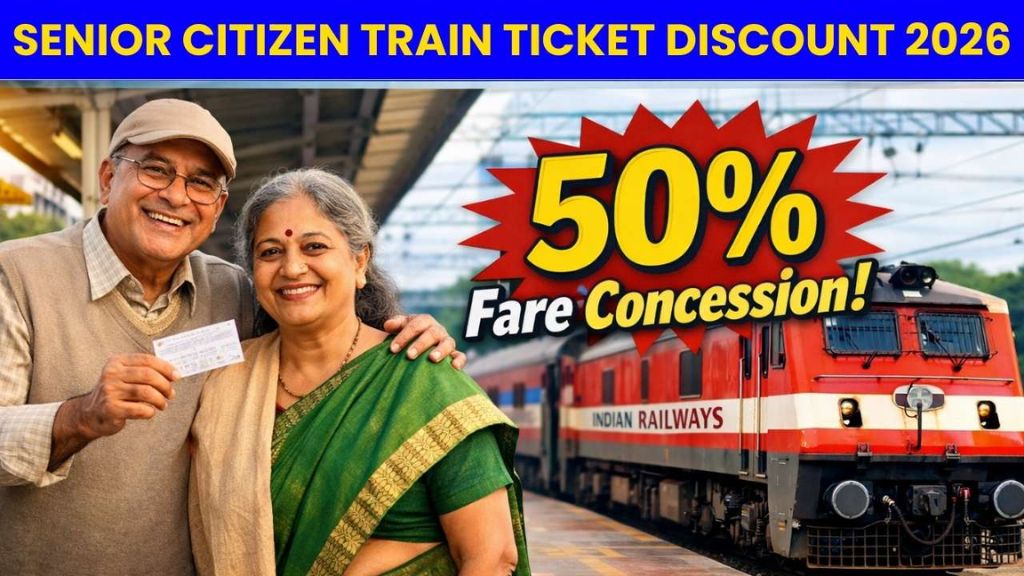
The discount is expected to range between 40% and 50%, depending on factors such as travel distance and class of accommodation. Although the exact percentage may vary, the savings can be substantial, particularly for long-distance journeys. For retirees and individuals living on fixed incomes, this reduction in travel costs can make a meaningful difference.
The concession will be applicable across major train categories, including Mail, Express, Rajdhani, Shatabdi, and Duronto services. This ensures that senior citizens can benefit regardless of whether they choose economical travel or premium services for added comfort.
Lower Berth Priority for Comfort and Safety
Along with fare concessions, Indian Railways has reinstated the priority allocation of lower berths for senior citizens. This feature is especially important because climbing to upper or middle berths can be physically challenging and risky for elderly passengers.

When booking tickets, travelers can select the senior citizen option, and the system will attempt to assign a lower berth whenever possible. Although availability cannot be guaranteed, the renewed priority significantly increases the chances of obtaining a safer and more convenient berth.
This step highlights the railways’ commitment to making travel not only affordable but also comfortable and accessible. It reduces physical strain and enhances the overall travel experience for older passengers.
Booking Process and Required Documentation
One of the most convenient aspects of the scheme is that no separate application is required to receive the concession. Eligible passengers simply need to book their tickets through the IRCTC website, mobile app, or railway reservation counters.

During the booking process, travelers must enter their correct age to activate the concession. Providing accurate information is crucial because railway authorities may verify age during the journey. Passengers are required to carry a valid identification document, such as an Aadhaar card, voter ID, passport, or any other government-approved ID.
Failing to present valid proof or providing incorrect details may result in penalties. Therefore, travelers are advised to double-check their information while booking tickets and carry the necessary documents to avoid inconvenience.
Additional Assistance and Facilities
Indian Railways has also strengthened support services for senior citizens at railway stations. Facilities such as wheelchairs and assistance from dedicated staff are available to help elderly passengers navigate platforms and boarding areas.

These services are particularly beneficial for those with mobility challenges or health conditions. By offering assistance from the moment passengers arrive at the station until they board the train, the railways aim to create a smoother and more dignified travel experience.
For any queries or support during travel, passengers can contact the railway helpline by dialing 139. This helpline provides information and assistance related to bookings, facilities, and emergencies.
Financial and Social Impact of the Decision
The restoration of concessions is expected to benefit millions of senior citizens across India. For many retirees, travel expenses can be a significant concern, especially when living on limited pensions or savings. Reduced fares will make it easier for elderly passengers to maintain social connections and access healthcare services.
यह भी पढ़े:
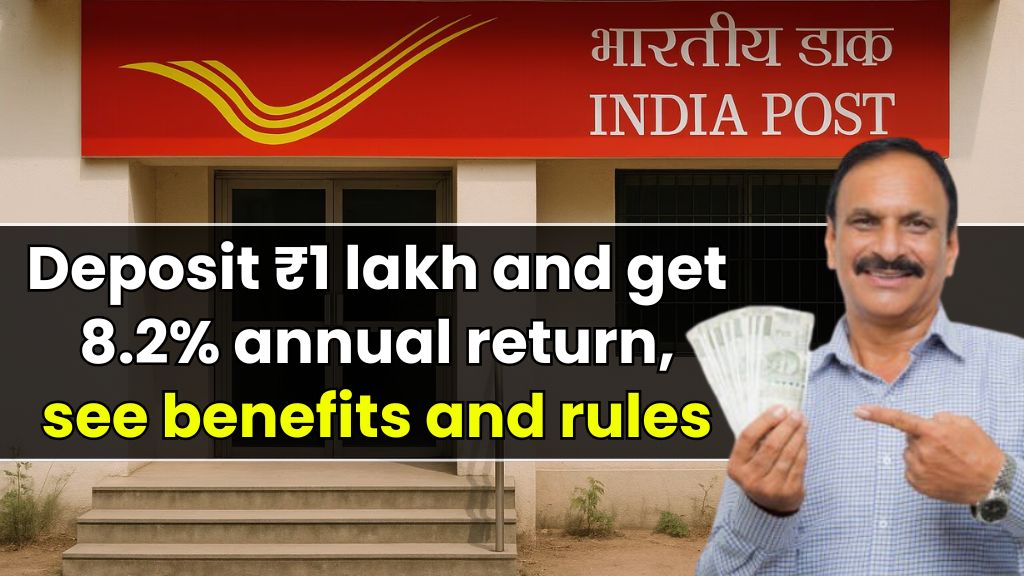
 Deposit ₹1 lakh and get 8.2% annual return, see benefits and rules | Post Office FD Scheme 2026
From a broader perspective, the move also reflects a commitment to inclusive development. Supporting senior citizens aligns with the government’s focus on welfare and social security. By making travel affordable, the railways are helping older citizens remain active and engaged in society.
The concession may also encourage more travel within the country, contributing to tourism and local economies. Religious tourism, family visits, and leisure travel among senior citizens are likely to increase, benefiting various sectors linked to transportation and hospitality.
A Step Toward Inclusive Transportation
Accessible and affordable transportation is a key component of an inclusive society. By reinstating the senior citizen concession, Indian Railways is reinforcing its role as a public service institution that prioritizes the needs of diverse passengers.

This decision demonstrates how transportation policies can positively impact everyday lives. For elderly passengers, it is not merely about saving money; it is about dignity, independence, and the ability to travel without financial stress.
The move also sets an example for other sectors to consider the needs of senior citizens when designing policies and services. As India’s elderly population continues to grow, such initiatives will become increasingly important.
Looking Ahead
The phased reintroduction of the concession marks the beginning of a renewed focus on passenger welfare. While the pandemic forced temporary changes, the return of this benefit signals a positive shift toward normalcy and social responsibility.

In the coming years, further improvements in accessibility, digital services, and onboard facilities may enhance the travel experience even more. For now, the restoration of fare concessions stands as a meaningful step that acknowledges the value and needs of senior citizens.
Conclusion
Indian Railways’ decision to restore fare concessions for senior citizens in 2026 is both timely and impactful. By easing travel costs, prioritizing lower berths, and offering additional support services, the railways are ensuring that elderly passengers can travel comfortably and affordably.
This initiative not only provides financial relief but also strengthens the bond between public institutions and citizens. For millions of senior travelers, the return of this concession represents convenience, respect, and renewed freedom to explore the country by train once again.