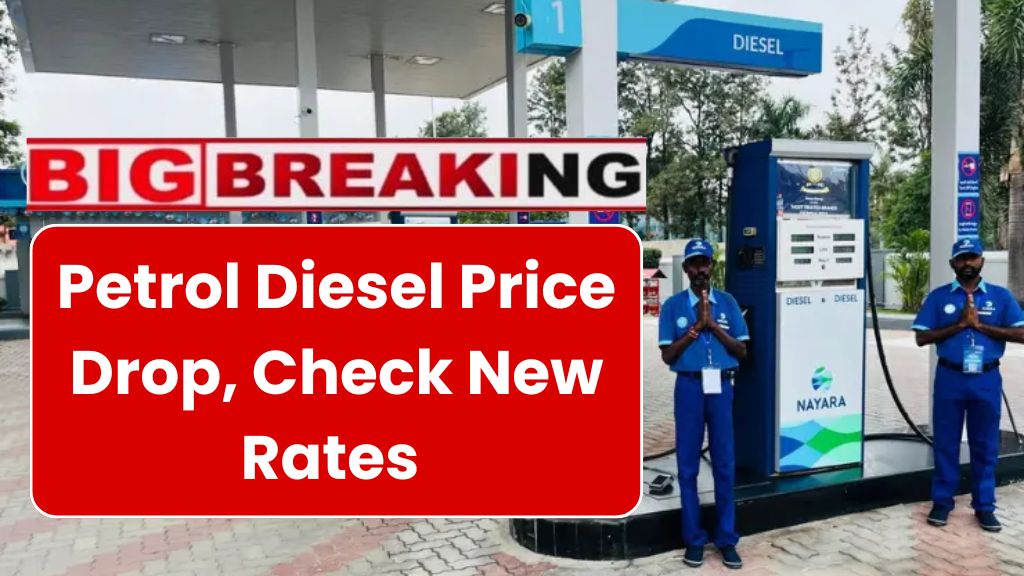
Petrol Diesel Price – Every morning in India begins with more than sunrise and a fresh cup of tea. For millions of citizens, the day also starts with checking the latest petrol and diesel prices. Fuel rates directly influence transportation costs, household budgets, and business expenses. Oil marketing companies revise these prices daily at 6 AM, making fuel one of the most closely watched commodities in the country. Even a small change can ripple across the economy.
On Wednesday, 11 February 2026, fuel prices in major Indian cities once again reflected regional variations. In New Delhi, petrol is priced at ₹94.72 per litre, while diesel costs ₹87.62 per litre. Mumbai, known for higher fuel taxation, has petrol at ₹104.21 and diesel at ₹92.15 per litre. In Indore, petrol is selling at ₹106.48 and diesel at ₹91.88 per litre. These differences show how taxes and logistics affect retail fuel prices.
Other metropolitan cities also display noticeable variation in rates. Chennai reports petrol at ₹100.75 and diesel at ₹92.34 per litre. Hyderabad has among the highest prices, with petrol at ₹107.46 and diesel at ₹95.70. In Kolkata, petrol is ₹103.94 and diesel ₹90.76 per litre. Such regional differences are primarily due to varying state taxes and transportation costs from refineries to retail outlets.

Western and northern cities reflect moderate pricing compared to southern markets. Ahmedabad records petrol at ₹94.49 and diesel at ₹90.17 per litre, while Chandigarh has some of the lowest diesel rates at ₹82.45. Jaipur, Pune, and Surat fall in the mid-range price bracket. Nasik currently sees petrol priced at ₹95.5 and diesel at ₹89.5 per litre. These city-wise variations highlight the complex pricing structure of fuel in India.
Despite daily updates, fuel prices in India have remained relatively stable over the last two years. After May 2022, the central government and several states reduced taxes on petrol and diesel. This move provided relief to consumers who were struggling with rising inflation. Since then, the retail fuel market has experienced limited volatility, even though global crude oil prices have fluctuated significantly.
Price stability has brought predictability to household and business budgeting. Transport companies, delivery services, and small vendors depend heavily on fuel expenses. When prices remain stable, they can plan costs more effectively and avoid frequent price hikes in goods and services. For daily commuters, stable fuel prices mean fewer unexpected increases in travel expenses.

Fuel prices affect every layer of society, from office workers commuting to work to farmers transporting produce to markets. Rising fuel costs often increase the price of vegetables, grains, and essential commodities. This is because transportation plays a critical role in India’s supply chain. When diesel becomes expensive, logistics costs increase, eventually impacting retail prices.
The primary factor influencing fuel prices in India is the international crude oil market. India imports a significant portion of its crude oil, making global price trends highly influential. When global oil prices rise, India must pay more for imports, which often leads to higher domestic fuel rates. Conversely, falling global oil prices can offer temporary relief to consumers.
Another important factor is the exchange rate between the Indian rupee and the US dollar. Since crude oil imports are paid for in dollars, a weaker rupee increases the cost of importing oil. Even if global oil prices remain stable, currency depreciation can push fuel prices upward. This makes the foreign exchange market a crucial component in fuel pricing.

Refining costs also contribute to the final retail price of petrol and diesel. Crude oil cannot be used directly and must be processed into usable fuels. This refining process involves technology, infrastructure, and labor expenses. These costs are included in the final fuel price paid by consumers at petrol pumps across the country.
Government taxes form a significant portion of fuel prices in India. Both central and state governments levy excise duties and value-added taxes on petrol and diesel. These taxes vary from state to state, which explains the price differences between cities. In some regions, fuel taxes account for a large share of the final retail price.
Demand and supply dynamics also play a role in determining fuel prices. During peak travel seasons, festivals, or summer vacations, fuel demand rises sharply. Increased demand can sometimes lead to higher prices. Similarly, global supply disruptions due to geopolitical tensions or production cuts can push international oil prices higher.

Stable fuel prices have positive implications for economic growth. When transportation costs remain predictable, businesses can maintain steady pricing strategies. This stability encourages consumer spending and reduces inflationary pressure. As a result, fuel pricing is closely monitored by policymakers and economists alike.
However, the long-term future of fuel pricing may change with the shift toward renewable energy. Electric vehicles, solar power, and alternative fuels are gradually gaining popularity in India. Government incentives and environmental awareness are encouraging people to explore cleaner transportation options. Over time, this transition could reduce dependence on petrol and diesel.
Despite the push toward renewable energy, petrol and diesel remain essential for India’s economy. Trucks, buses, and agricultural machinery still rely heavily on conventional fuels. Until electric infrastructure becomes widespread, fuel prices will continue to influence daily life and economic activity.

For individuals, monitoring fuel prices has become a routine habit. Many people plan travel, adjust budgets, and make commuting decisions based on daily price updates. Mobile apps and online platforms now make it easy to check city-wise fuel prices instantly. This accessibility reflects how deeply fuel costs affect modern living.
Businesses also adapt their strategies according to fuel price trends. Delivery companies optimize routes to reduce fuel consumption, while ride-hailing services adjust fares based on fuel costs. These adjustments demonstrate how fuel pricing shapes business operations across sectors.
Looking ahead, maintaining price stability will remain a priority for policymakers. Balancing consumer relief with government revenue needs is a challenging task. Fuel taxes contribute significantly to government income, which is used for infrastructure and public welfare projects. Finding the right balance is essential for economic stability.

In conclusion, petrol and diesel prices in India play a crucial role in shaping everyday life. From daily commuters to large industries, everyone feels the impact of fuel costs. While global oil prices, currency fluctuations, taxes, and demand influence pricing, recent stability has provided much-needed relief. As India moves toward a cleaner energy future, fuel prices will continue to remain an important economic indicator for years to come.